Every nursery has one, but few people know where the teddy bear actually came from. Spoiler: it involves politics.
A bear named after a president
The teddy bear owes its name to Theodore “Teddy” Roosevelt. In 1902, on a hunting trip, the president famously refused to shoot a captured bear, deeming it unsporting. A newspaper cartoon of the moment captured the public imagination, and soon toymakers on both sides of the Atlantic were producing soft, jointed bears inspired by the tale.
Almost overnight, the bear went from political anecdote to nursery staple. It's a rare example of a toy with a clear, datable origin story — and an unusually charming one at that.
Craft and collectibility
Early bears were serious feats of craftsmanship: mohair fur, glass eyes, jointed limbs and hand-stitched features. The best surviving examples are now genuine antiques, studied and preserved much like any other piece of design history. Institutions hold them as records of changing tastes, materials and manufacturing, and you can browse decorative-arts holdings through the V&A's design and decorative-arts archives to see how toys sit within the wider story of design.
Collectors today still prize the early makers, and a pristine vintage bear can fetch eye-watering sums at auction. Most of us, though, treasure ours for reasons that have nothing to do with money.
Why we never let go
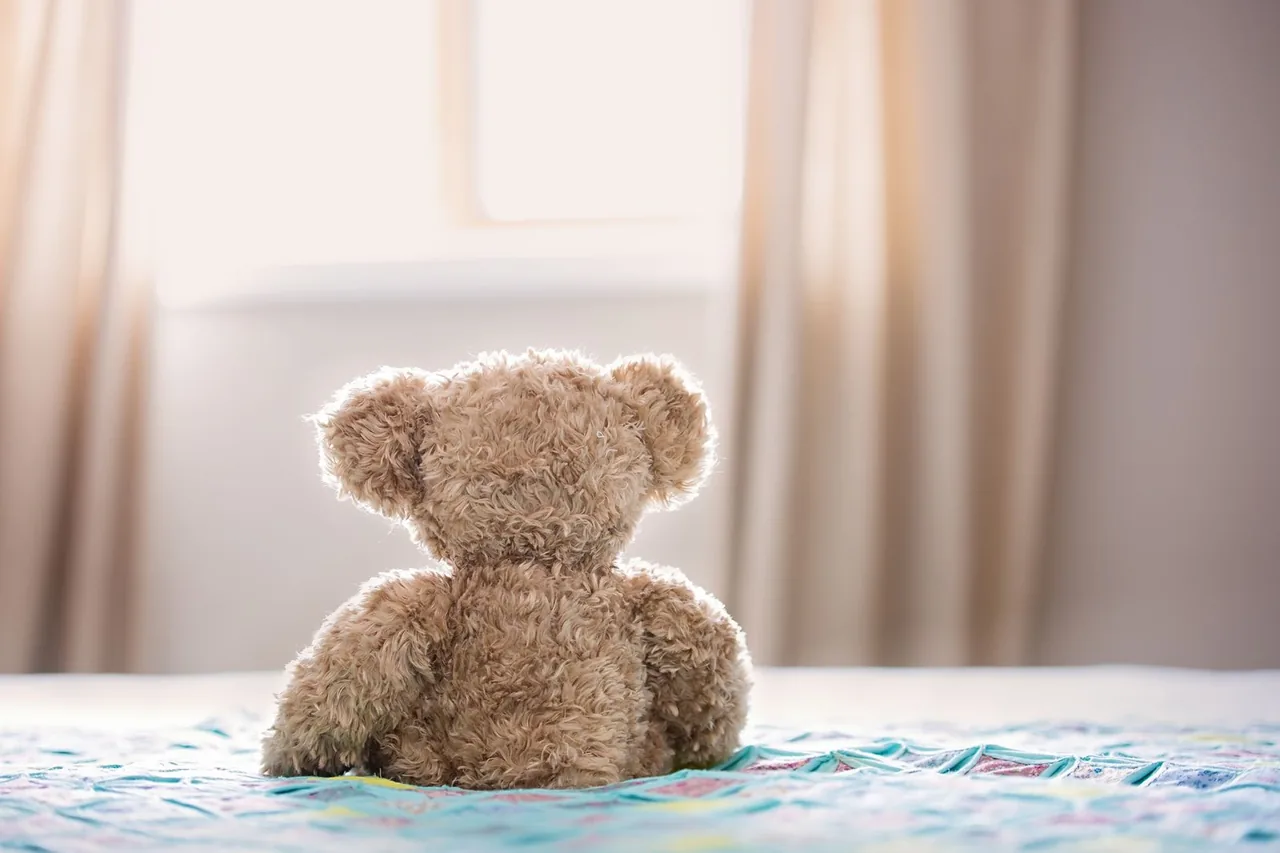
More than a century on, the teddy bear endures because it does one thing perfectly: it comforts. Generations have learned to fall asleep clutching one, and that early bond runs deep. Even adults who'd never admit it often still have their childhood bear tucked away somewhere safe.
That's the quiet genius of the design. It was never really about the bear — it was about giving people something soft to hold when the world felt big. Turns out that need never expires.