It shapes fashion, food, characters and even handwriting. We look at the philosophy hiding inside all that pastel.
A word that contains a worldview
We tend to translate “kawaii” simply as “cute,” but in Japan it carries a far wider, deeper meaning — a whole sensibility around charm, vulnerability, smallness and approachability. It can describe a person, an object, a gesture, a font, even a way of behaving. To understand it properly is to understand a real strand of contemporary Japanese culture.
It's a surprisingly rich subject with roots stretching back decades, and if you want the full picture it's worth reading about the cultural roots of kawaii and how it grew from a youth handwriting craze into a global aesthetic powerhouse.
Kawaii you can see everywhere
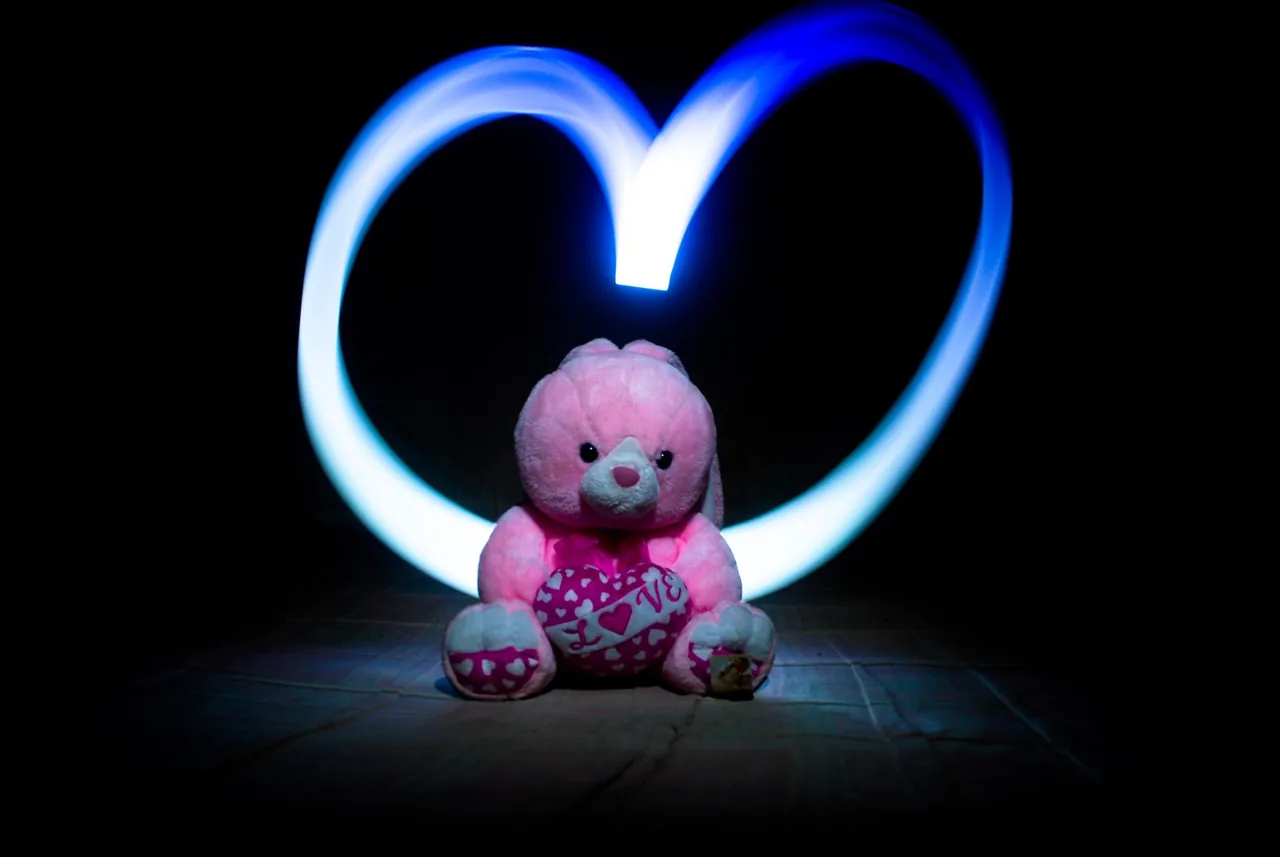
Once you start noticing it, kawaii is impossible to unsee. It's in the round-faced mascots that represent everything from banks to train stations, in café food shaped like smiling animals, in fashion that mixes pastels and frills, and in the soft, bubbly characters printed on a thousand stationery items.
Crucially, kawaii isn't childish. Adults across Japan and beyond embrace it as a deliberate aesthetic choice — a way of bringing softness, playfulness and warmth into ordinary daily life. There's real intention behind all those rounded edges.
Why it travelled so well
Part of kawaii's global success is that it's wonderfully easy to like. It doesn't demand cultural fluency or insider knowledge; a smiling little character communicates warmth instantly, in any language. That universality helped it leap from Japan to phone screens and pencil cases worldwide.
But the best appreciation goes a step further than the surface. Once you grasp that kawaii is a genuine cultural philosophy — about kindness, gentleness and finding delight in small things — those pastel keyrings start to feel a little more meaningful.